
Six anti-gravity muscle groups are strongly used in yoga practice and become even more essential to focus on when working with an aging population. Engagement of these muscles increases postural control and decreases the risk of falls by allowing for greater neck range of motion and peripheral vision. Learn how utilizing and strengthening these muscle groups is essential to improving posture, core support, and head positioning.
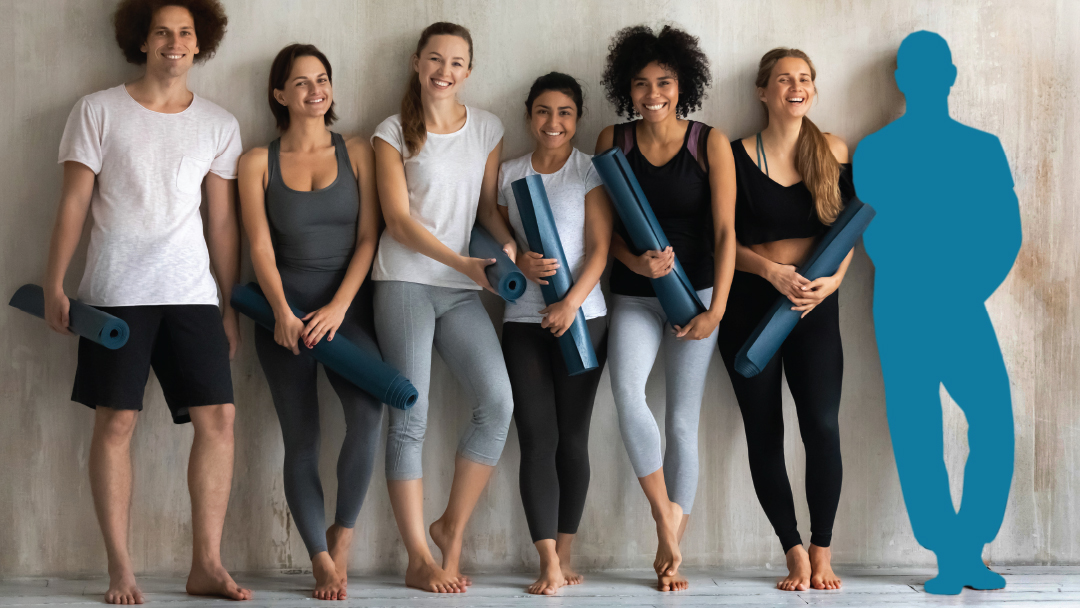
This three-part workshop explores how yoga ethics may not be what many have come to expect in a Westernized world. Explore how yoga is a basic ethical theory that rivals familiar theories present in South Asia and the West, and how asana was not primarily a physical practice, but rather a philosophical exercise of ethics. Consider how colonialism continues to marginalize yoga ethics in contemporary discourse and make room for non-colonized yoga ethics. Part 3 focuses on yoga ethics and activism.
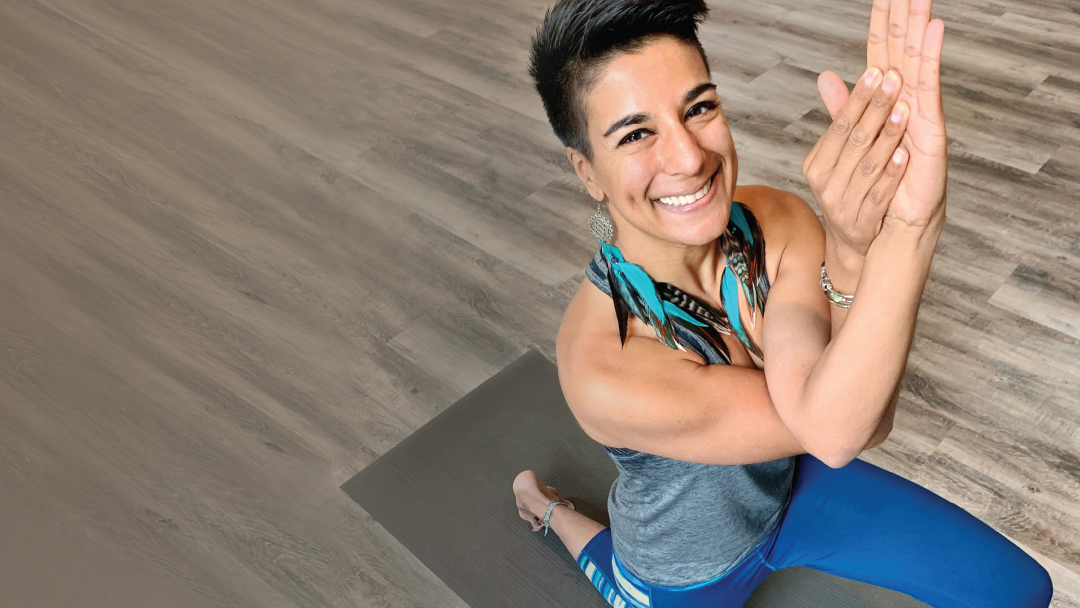
Looking to stand out as a yoga teacher? Come learn the Five Pillars of Powerful Teaching: Communication, Character, Connection, Commitment, and Consideration. This workshop helps facilitate how to build exceptional yoga classes to boost your following, no matter how much experience you have.
This three-part series discusses how to make yoga classes more LGBTQ+ and body positive inclusive by integrating modern social movements and ancient history. Topics explored include, the (mis)representation of LGBTQ+ persons in yoga and society, how this contributes to harm, and the need for greater representation in yoga and community spaces. Stories of LGBTQ+ historical and mythological figures are shared, as well as their lessons for the future. Take a critical look at the body positive movement and leave with tools to make yoga safer for LGBTQ+ folx. Part 3 takes a critical look at the body positive movement and explores how to make yoga spaces more welcoming of people of all sizes.